Lia Rumma Gallery is pleased to announce the projects by Marina Abramović, Gary Hill, Alfredo Jaar, Ilya and Emilia Kabakov, Joseph Kosuth, Agnieszka Kurant, and Shirin Neshat during the Biennale Arte di Venezia 2026.
Lia Rumma Gallery is pleased to announce the projects by Marina Abramović, Gary Hill, Alfredo Jaar, Ilya and Emilia Kabakov, Joseph Kosuth, Agnieszka Kurant, and Shirin Neshat during the Biennale Arte di Venezia 2026.
L’artista di fama internazionale Marina Abramović farà la storia nel 2026 diventando la prima artista donna vivente a essere celebrata con una grande mostra presso le Gallerie dell’Accademia di Venezia.
Marina Abramović: Transforming Energy, presentata nell’ambito della 61ª Biennale Arte di Venezia, inaugurerà il 6 maggio 2026 e sarà visitabile fino al 19 ottobre 2026. La mostra coincide con l’ottantesimo compleanno dell’artista e istituisce un profondo dialogo tra la sua pionieristica pratica della performance art e i capolavori del Rinascimento che hanno contribuito a definire l’identità culturale di Venezia.
Curata da Shai Baitel, direttore artistico del Modern Art Museum (MAM) di Shanghai, in stretta collaborazione con l’artista, la mostra si sviluppa sia nelle gallerie che ospitano la collezione permanente del museo sia negli spazi dedicati alle esposizioni temporanee — una prima assoluta nella storia dell’istituzione — inserendo la pratica di Abramović nel cuore stesso del patrimonio veneziano.
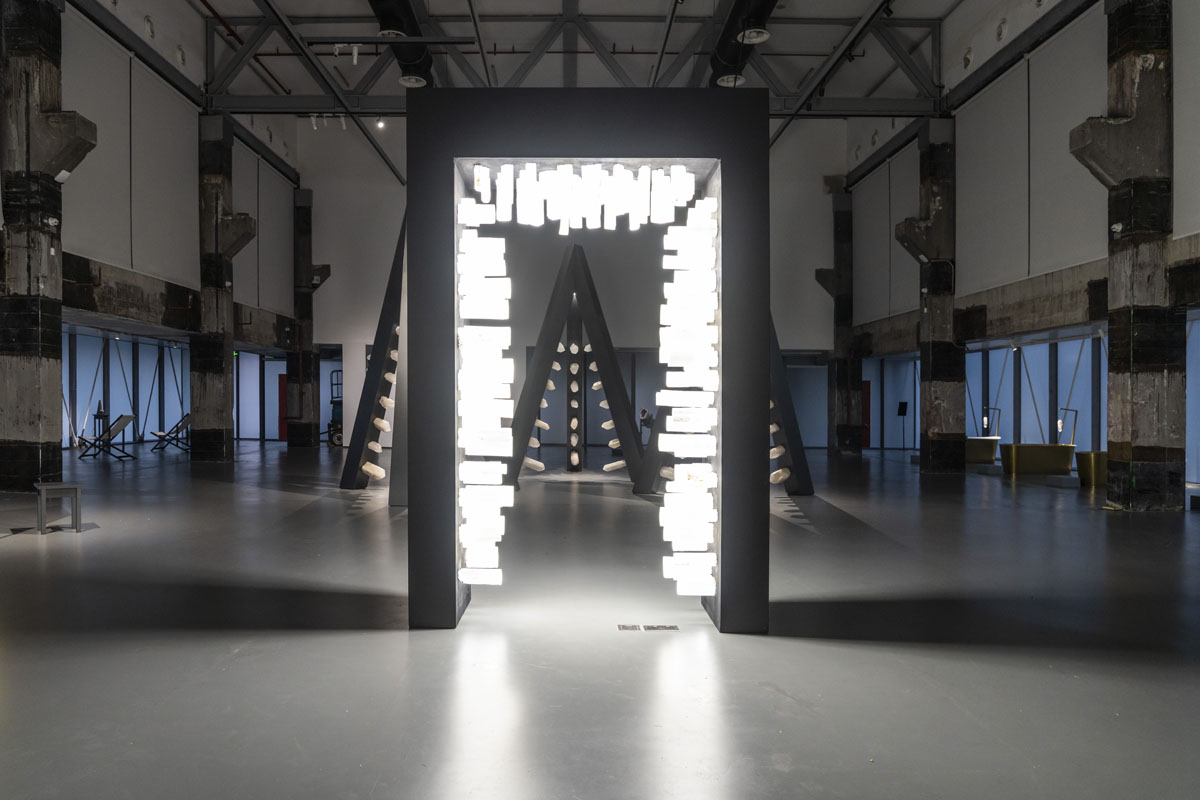
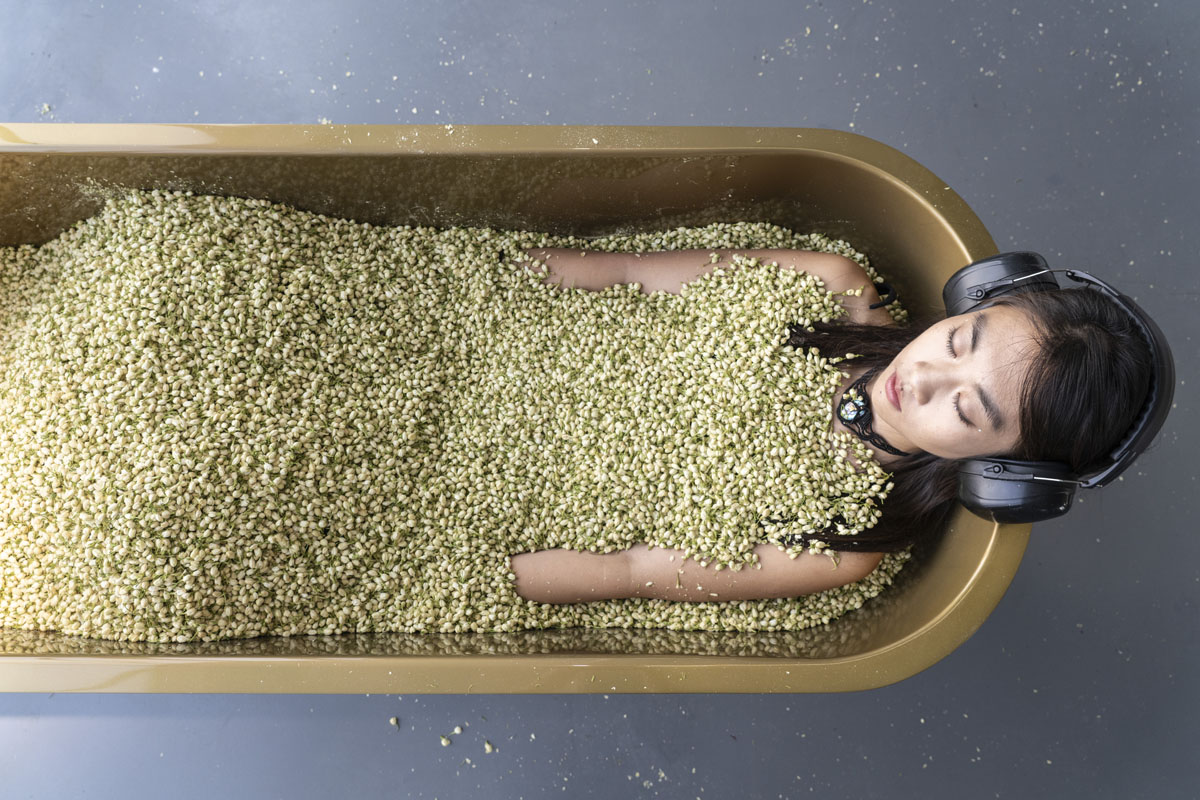
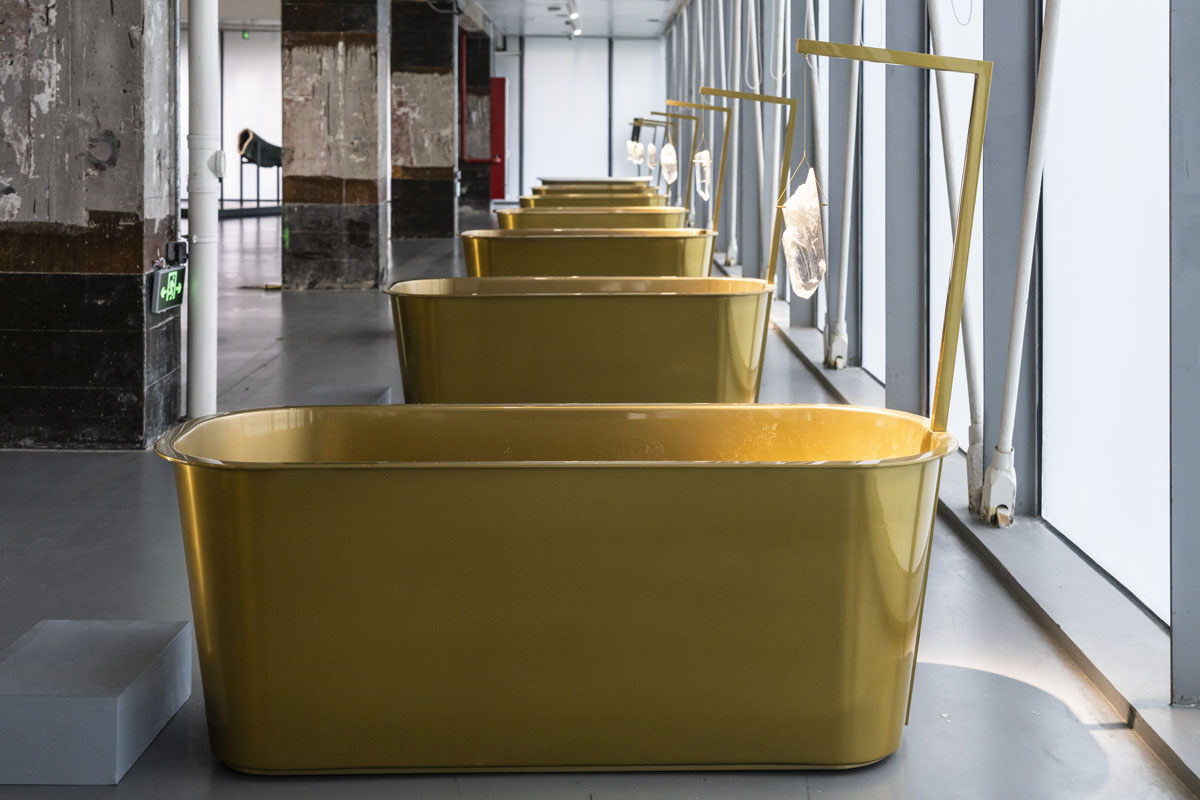
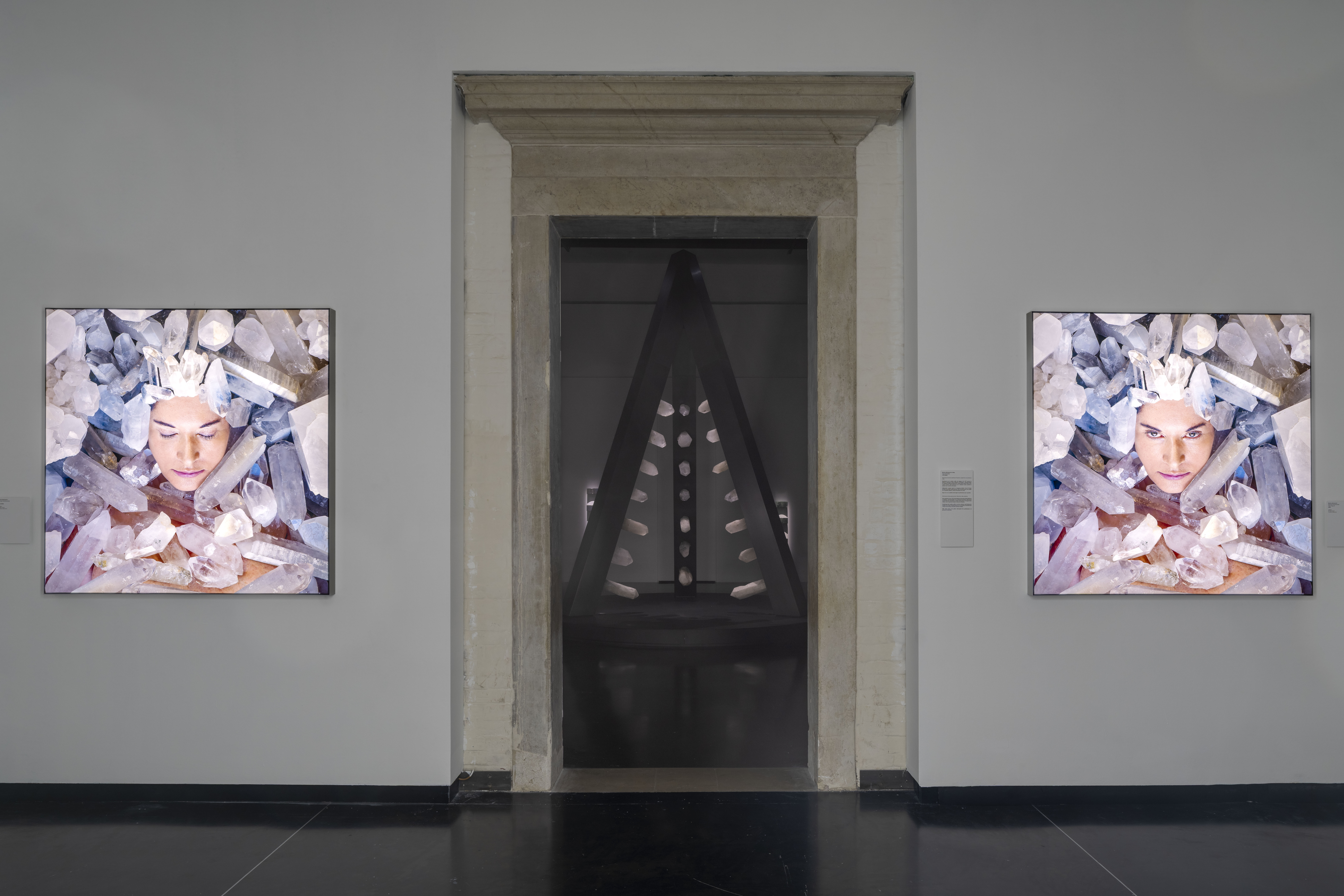
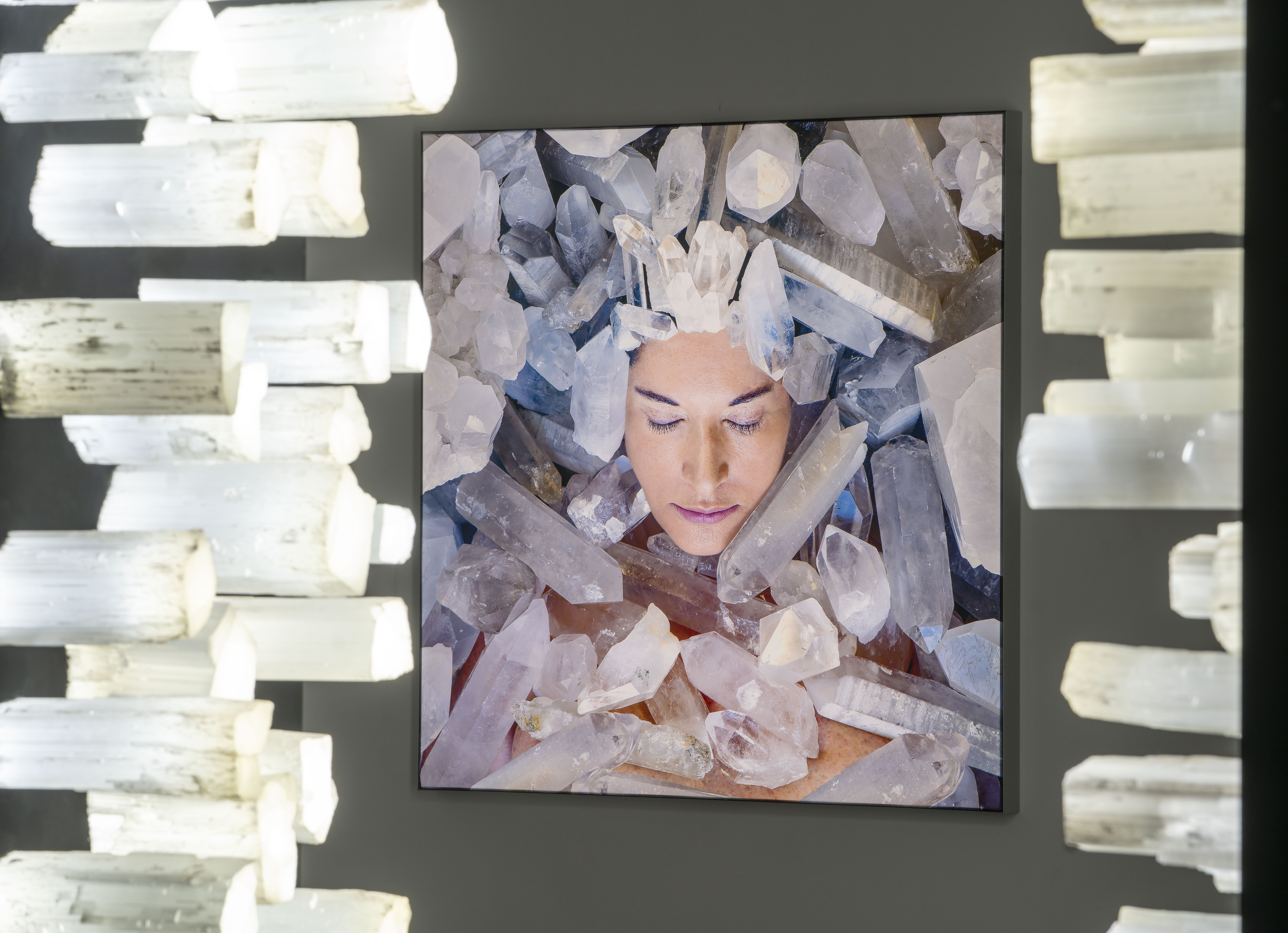
Al centro di Transforming Energy vi è un incontro tra passato e presente, materia e immateriale, corpo e spirito. I visitatori sono invitati a sperimentare una serie di Oggetti Transitori interattivi — letti e strutture in pietra incorporate con cristalli — sdraiandosi, sedendosi o rimanendo in piedi su di essi, attivando quella che Abramović definisce “trasmissione di energia”.
Opere iconiche come Imponderabilia (1977), Rhythm 0 (1974), Light/Dark (1977), Balkan Baroque (1997) e Carrying the Skeleton (2008) saranno presentate accanto a proiezioni di performance storiche, mentre nuove opere realizzate per l’occasione metteranno in evidenza la ricerca pluridecennale dell’artista sui temi della resistenza, della vulnerabilità e della trasformazione.
Un momento culminante della mostra sarà la presentazione di Pietà (with Ulay) (1983), posta in diretto dialogo con la Pietà di Tiziano (ca. 1575-1576), il suo ultimo capolavoro incompiuto, portato a termine da Palma il Giovane. Questo storico accostamento, in occasione del 450° anniversario della Pietà di Tiziano, rilegge le tipologie rinascimentali del dolore, della trascendenza e della redenzione attraverso una prospettiva contemporanea.
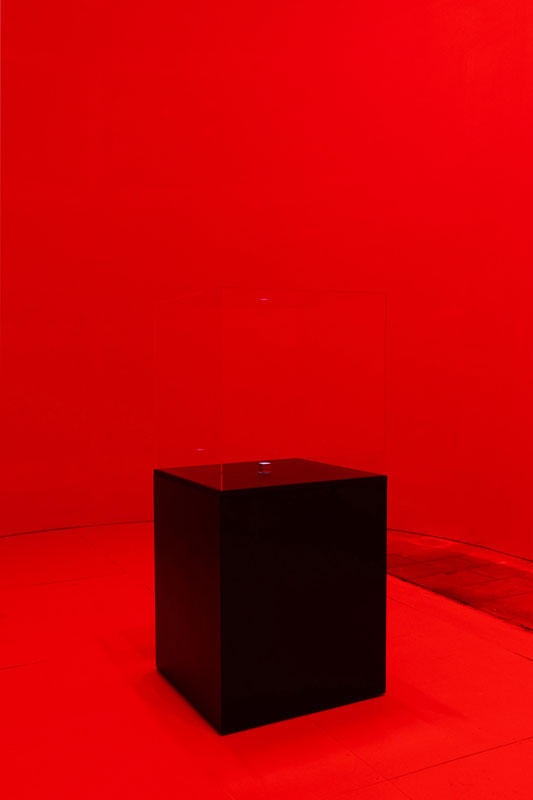
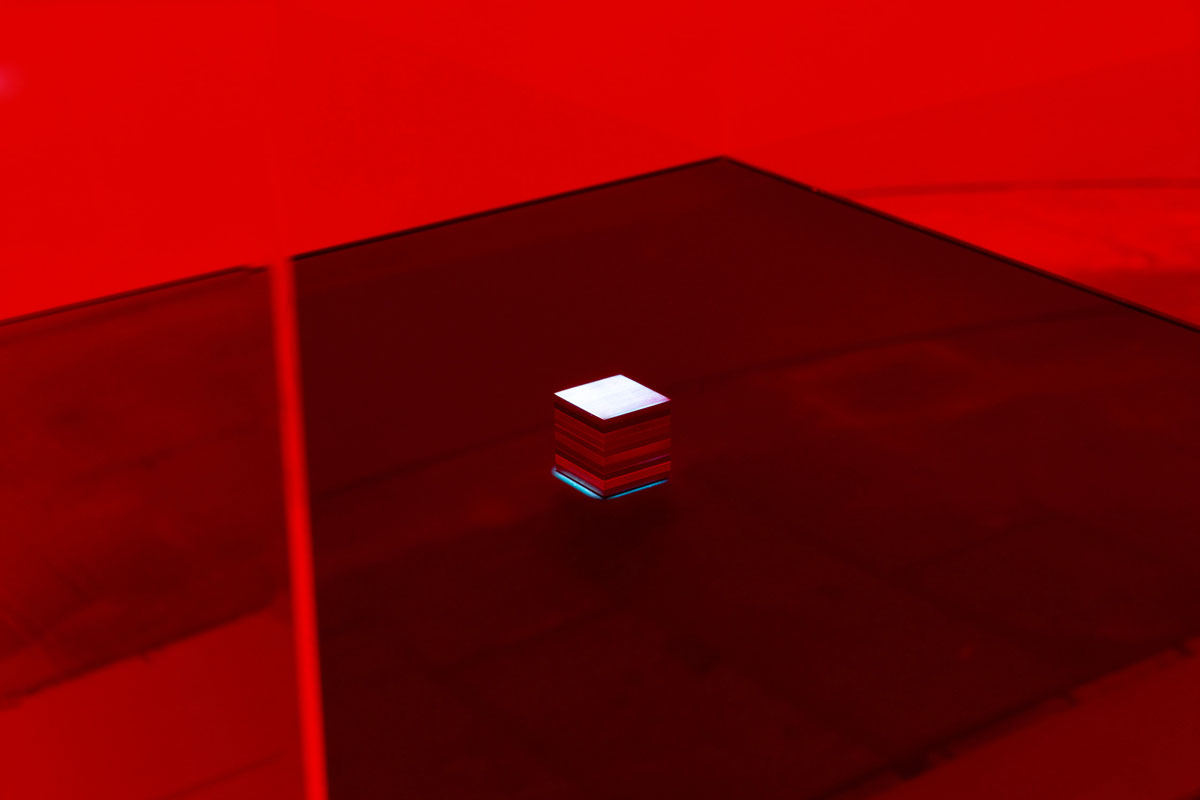
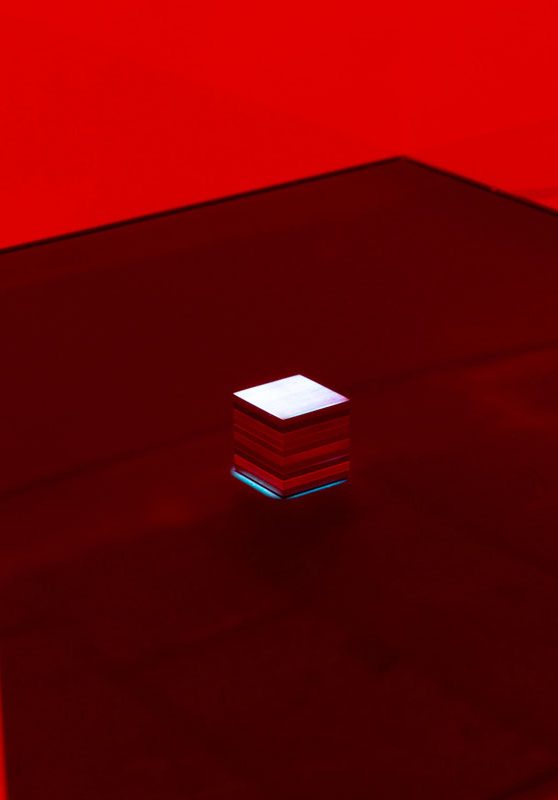
Conceived in 2023 after years of research conducted in collaboration with human geographer and political geologist Adam Bobbette, The End of the World investigates the global struggle over natural resources, an issue that has become increasingly central to contemporary geopolitical conflicts. At the core of the installation is a 4 × 4 × 4 cm cube composed of layered raw materials — cobalt, rare earths, copper, tin, nickel, lithium, manganese, coltan, germanium, and platinum — ten strategic metals essential to digital technologies, electromobility, high-tech industries, and data storage systems. While global demand for these resources continues to grow, their extraction often entails devastating environmental consequences and severe human rights abuses.
These metals are ten of the most critical minerals in the world today, essential for technologies at the centre of both the green transition and war-making. They carry with them their trajectories and origins: the vastness of strip mines cut into the earth; the shadowy ocean depths with their as yet unstudied ecosystems that are plumbed and pillaged for manganese; the rapacious appetite of a society planning to mine the moon, seeing it as another nowhere to conquer and consume. Each layer of the cube is at the centre of raging geopolitical tensions; the physical, environmental and human consequences of acquiring these metals is dizzying.
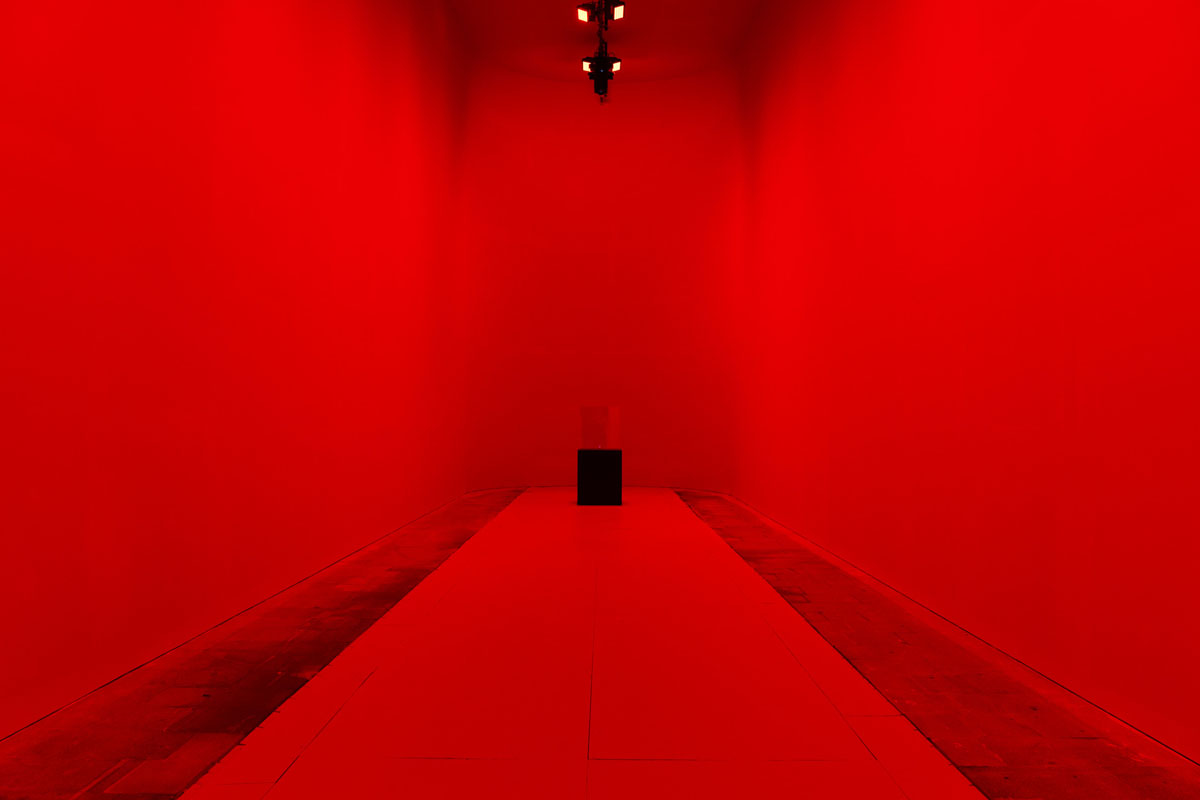
Placed in the centre of a soaring, cathedral-like space, the small form frames the Arsenale as part of the work. With this precise gesture, Alfredo Jaar condenses the vast tangles of global tragedies into a precise work of pathos and poetry that leaves no space for us to escape.
For more than four decades, Alfredo Jaar has developed a multidisciplinary practice spanning photography, film, installation, and new media to address urgent social and political realities, while questioning the ethics and limits of representation. Through works that combine conceptual rigor with strong visual impact, Jaar has consistently challenged viewers to confront issues frequently marginalized or overlooked in public discourse. Throughout his career, he has focused on themes such as genocide, forced migration, and the unequal dynamics between industrialized and developing nations.
This marks Alfredo Jaar’s fifth participation in the International Art Exhibition of La Biennale di Venezia, following previous invitations in 1986, 2007, 2009, and 2013.
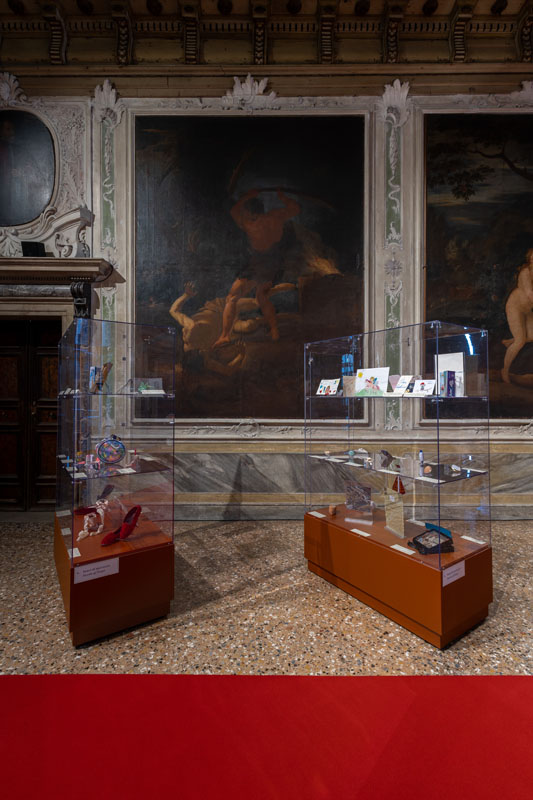
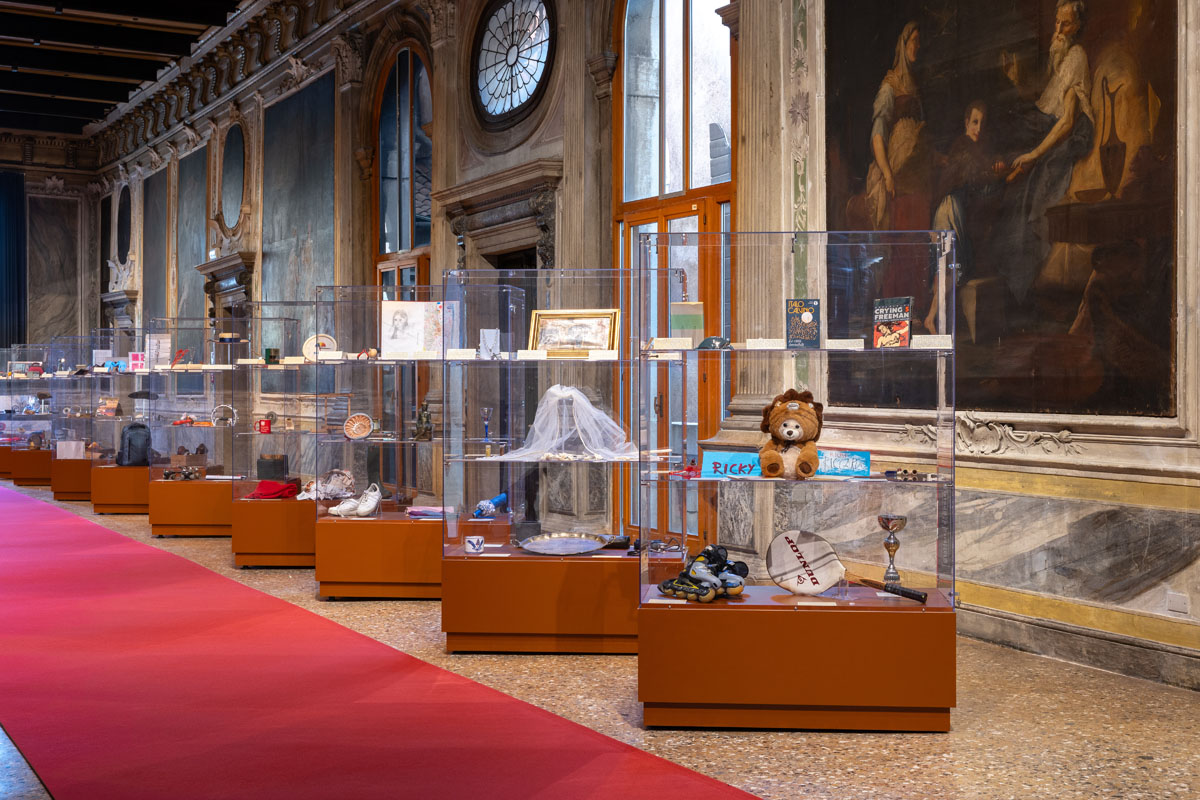
Venetian Diary, the project by Ilya and Emilia Kabakov that places the people of Venice at its center, unfolds across both the Biennale and the city.
A new piece is added to Venetian Diary, the participatory project by Ilya and Emilia Kabakov, curated by Cesare Biasini Selvaggi and Giulia Abate, which will be presented in Venice on the occasion of the 61st International Art Exhibition – La Biennale di Venezia. This intimate mapping of the city will extend from the piano nobile of Ca’ Tron (May 9 – June 28, 2026) to the Biennale Gardens, within the Venetian Pavilion, entering into a dialogue with Note persistenti, the exhibition project curated by Giovanna Zabotti with Denis Isaia and Cesare Biasini Selvaggi.
In keeping with the curatorial theme In Minor Keys, the Pavilion is configured like a sensitive musical score that invites visitors to attune themselves to the deepest frequencies of Venice: those that surface from its submerged depths, from the matter that sustains it, from its intimate narratives, and from the collective dimension that permeates it.
Within a sequence of environments guiding the visitor through four symbolic dimensions of the city (the submerged, the domestic, the mythological, and the collective), the exhibition unfolds as a series of interdisciplinary artistic interventions engaged in a dialogue: the sculptures of Alberto Scodro, which investigate the invisible processes of matter and evoke the realm of the submerged world, resonate with an immersive sound composition by Dardust, developed in collaboration with Paolo Fantin, H-Farm, and Cisco, as well as with the works featured in the Artefici del Nostro Tempo project, which is dedicated to showcasing the emerging artistic expressions of new generations. Within this polyphonic score, the domestic and relational dimensions find one of their most significant expressions in Venetian Diary by Ilya and Emilia Kabakov, which constitutes the heart of a collective project conceived by the duo with the participation of the people of Venice, along a pathway that links the Venetian Pavilion with Ca’ Tron.
Three years after the passing of Ilya Kabakov, Venice welcomes one of most emblematic projects of the couple, partnered in both art and life: a monumental, participatory work configured as a collective self-portrait of the city. Curated by Cesare Biasini Selvaggi and Giulia Abate, Venetian Diary takes shape at Ca’ Tron—home to the Iuav University overlooking the Grand Canal—where the piano nobile will be transformed into a vast narrative device, and then continues at the Venetian Pavilion, reconstituting the unity of the project in dialogue with the trajectory of Note persistenti.
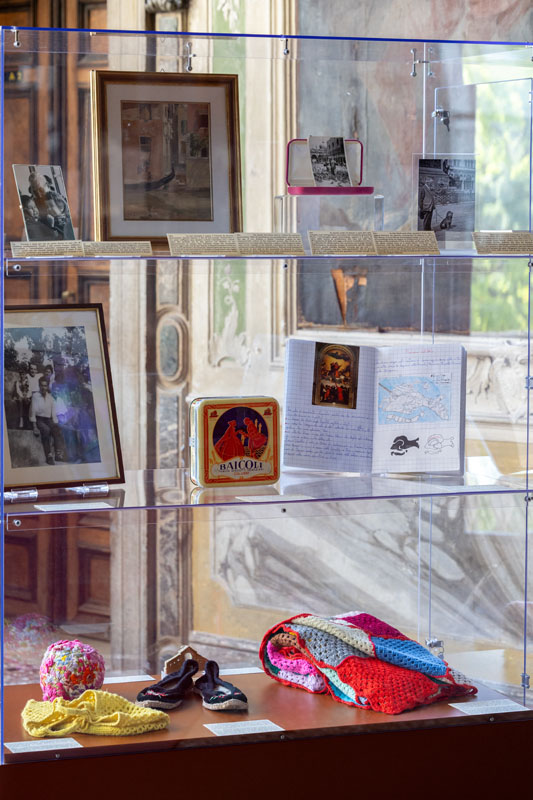
Not an exhibition about Venice, but an exhibition with Venice: this is the premise guiding the entire work. Approximately 500 inhabitants of the metropolitan area, belonging to different generations, social contexts, and urban areas, have contributed by writing a page of the diary on which they recount their personal bond with the city, and by lending a personal object capable of representing that connection. Fragments of lives, memories, and desires thus converge to form a constellation of stories that captures the social and emotional complexity of the lagoon.
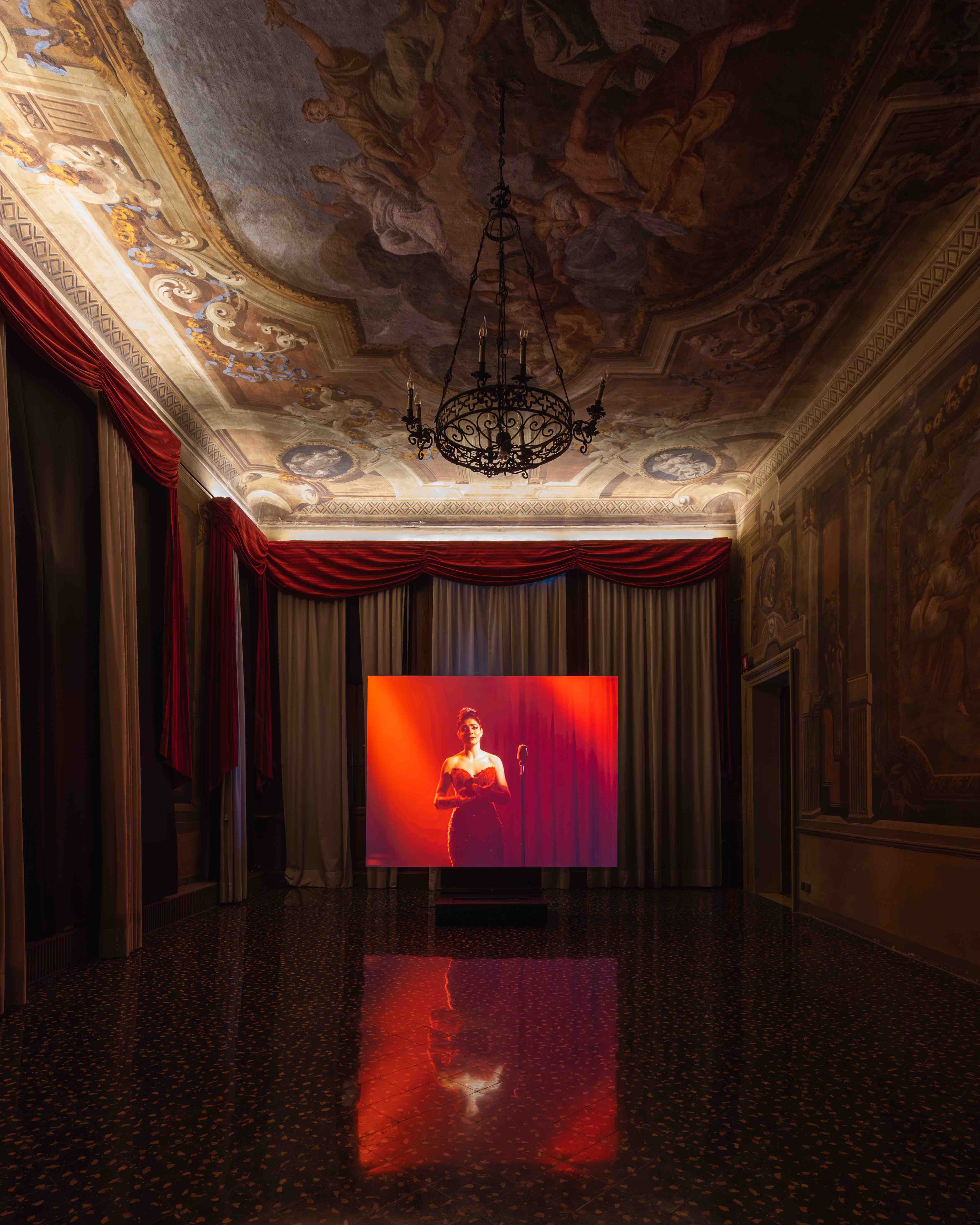
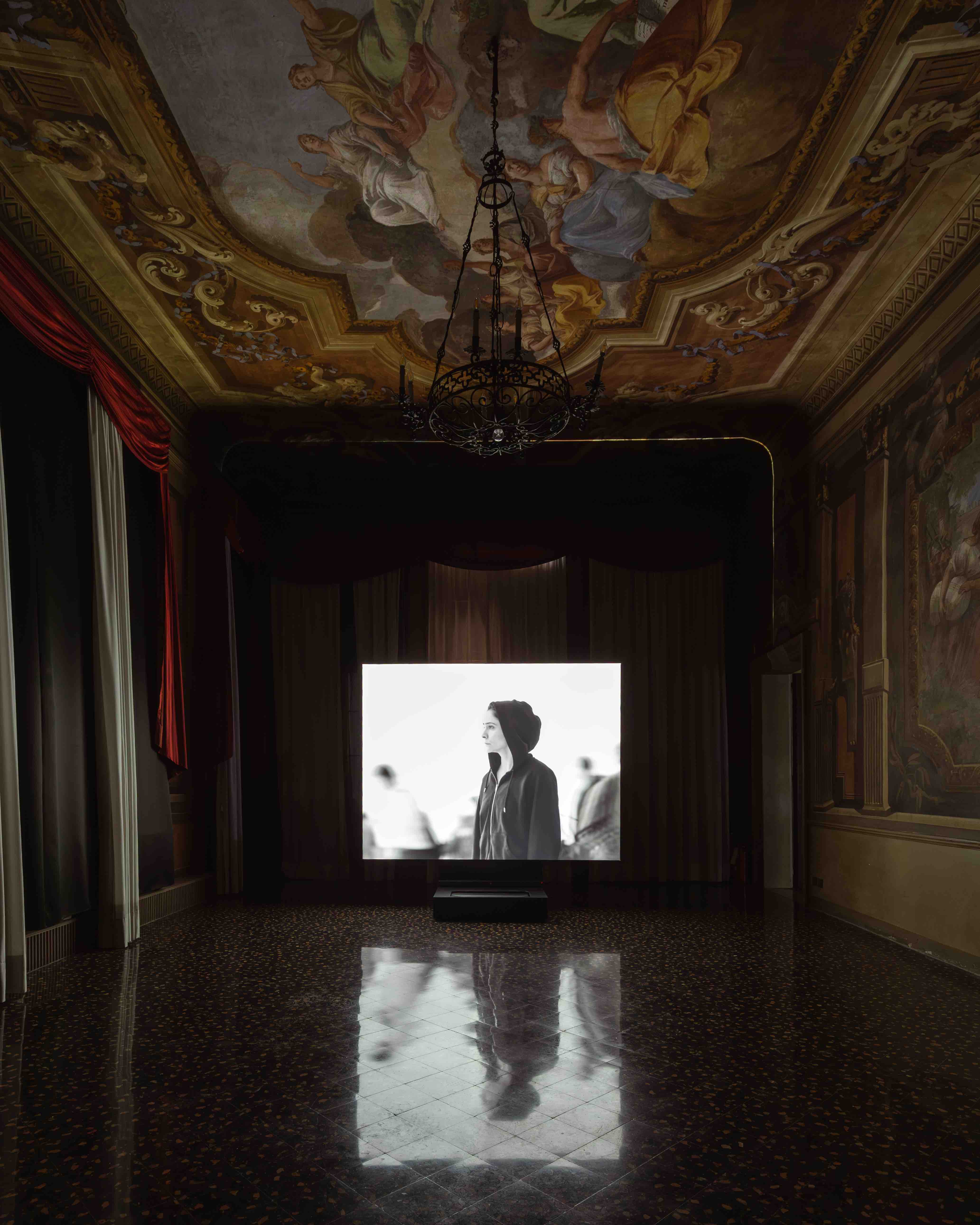
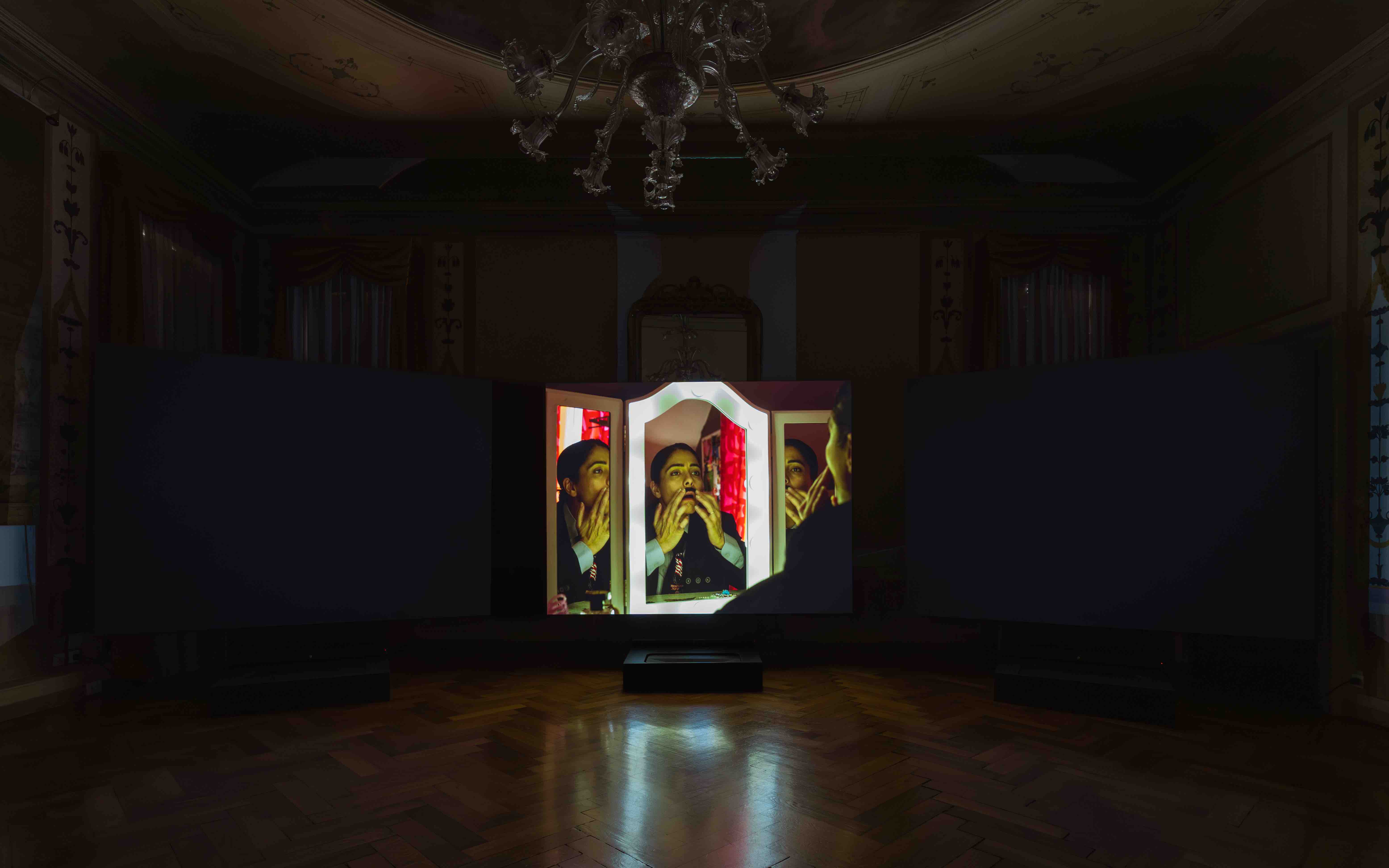
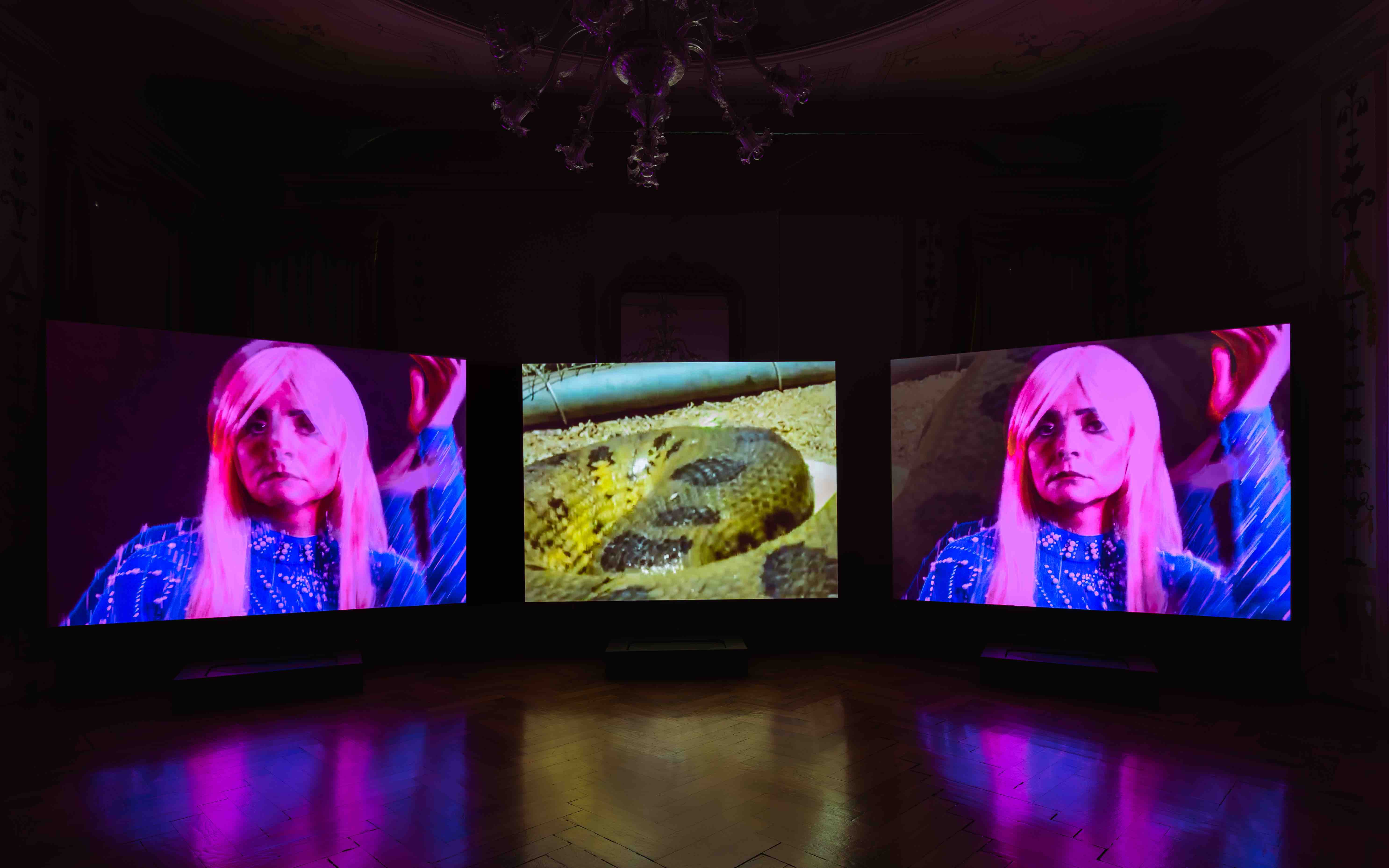
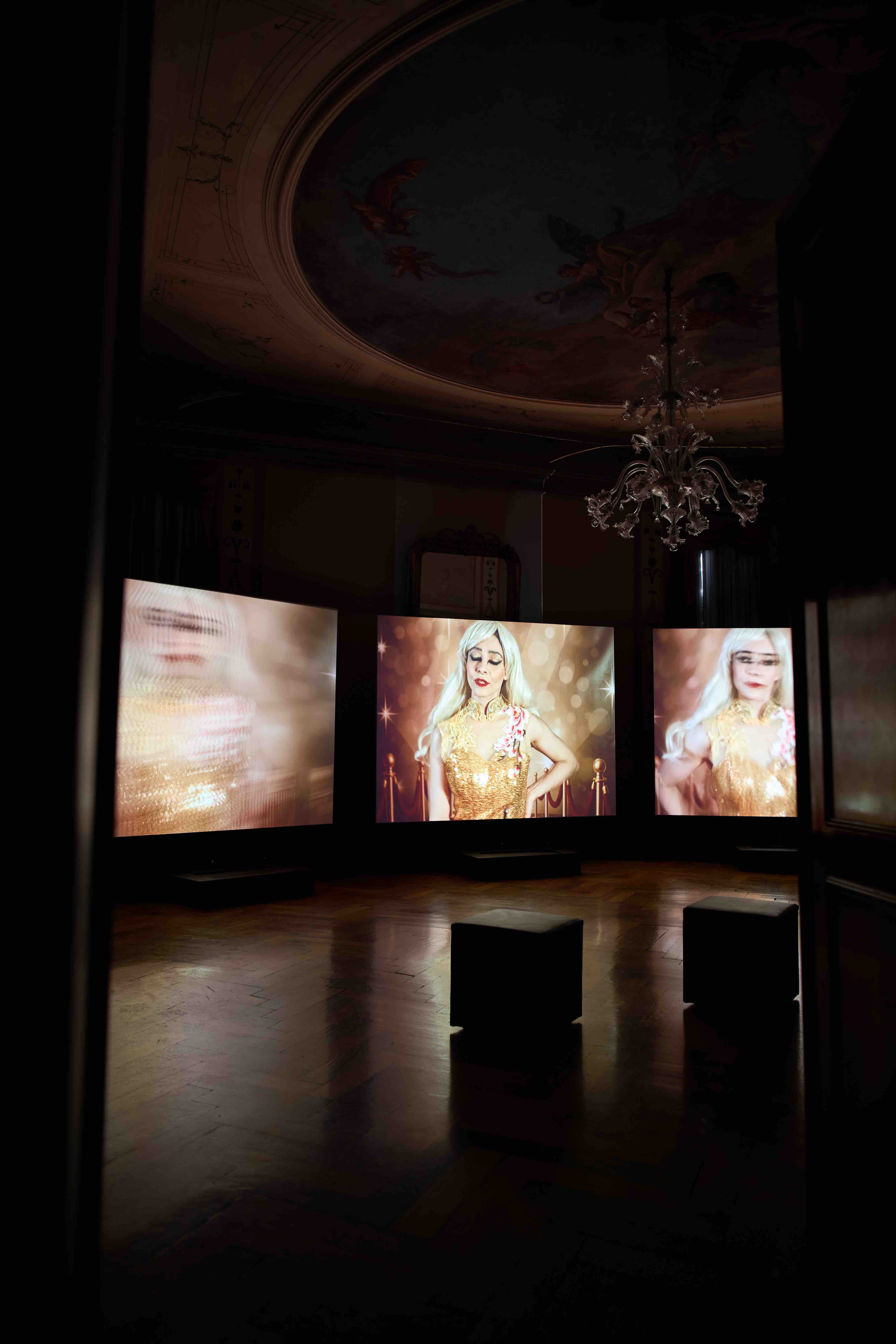
Visual artist and filmmaker Shirin Neshat presents the world premiere of a new film trilogy, Do U Dare!, concurrent with the 2026 Venice Biennale, curated by Bartolomeo Pietromarchi and Ilaria Bernardi, organized by Associazione Genesi and Banca Ifis, and presented by Gladstone Gallery and Lia Rumma Gallery.
On view at Palazzo Marin from May 8 to September 6, 2026, Do U Dare! explores themes of displacement, isolation, artistic obsession, and the boundary between creation and self-destruction.
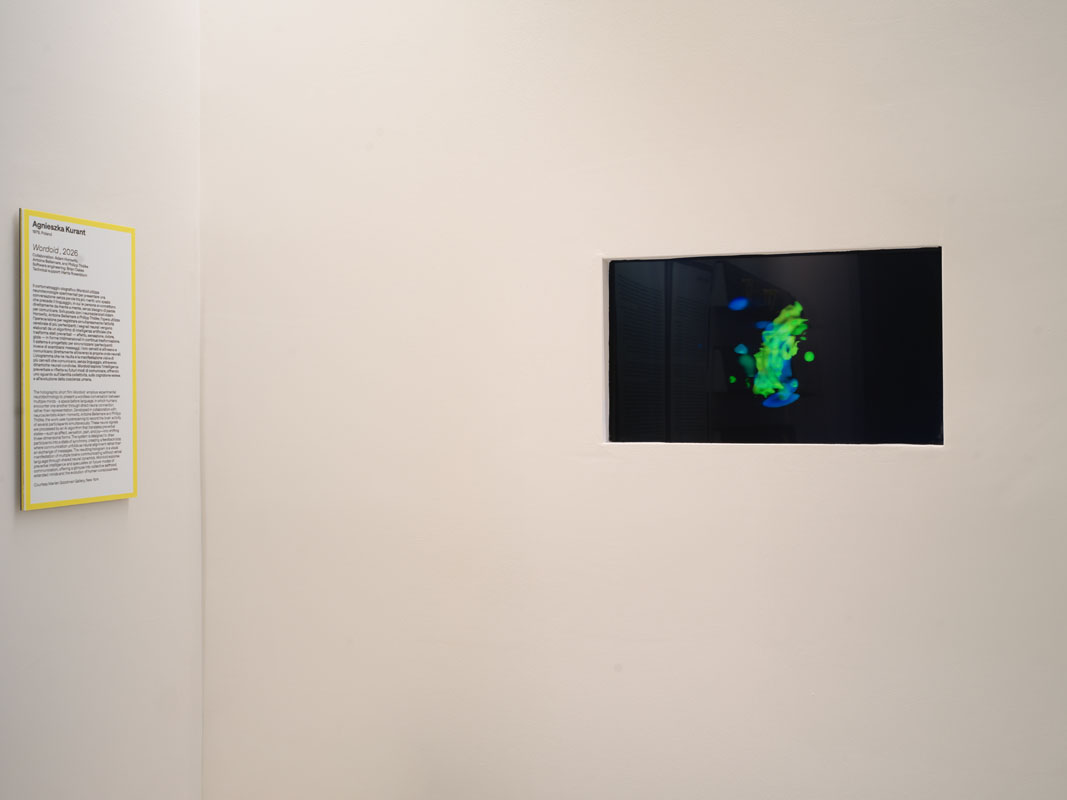
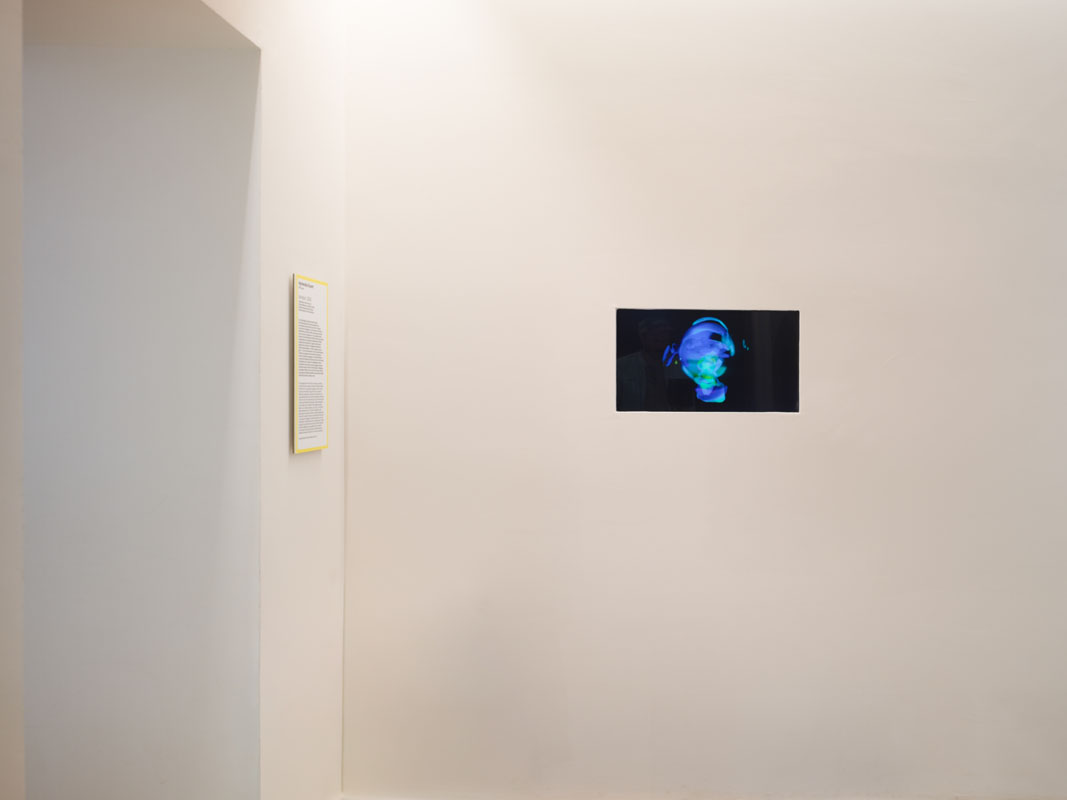
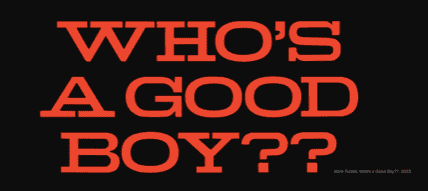
“STRANGE RULES,” curated by Mat Dryhurst, Holly Herndon, Hans Ulrich Obrist, and Adriana Rispoli at Palazzo Diedo, explores the emerging field of “Protocol Art” through works by international artists such as Philippe Parreno, Trevor Paglen, Avery Singer, Lynn Hershman Leeson, and Agnieszka Kurant.
Bringing together art, technology, artificial intelligence, and digital infrastructures, the exhibition investigates the invisible systems and protocols that shape contemporary culture and perception.
Conceived as both an exhibition and a research platform, “STRANGE RULES” transforms Palazzo Diedo into a laboratory for performances, installations, screenings, and collaborative projects dedicated to human–machine co-creation, algorithmic governance, and the transformation of the relationship between artistic authorship and technological systems.
The-exchange-value-
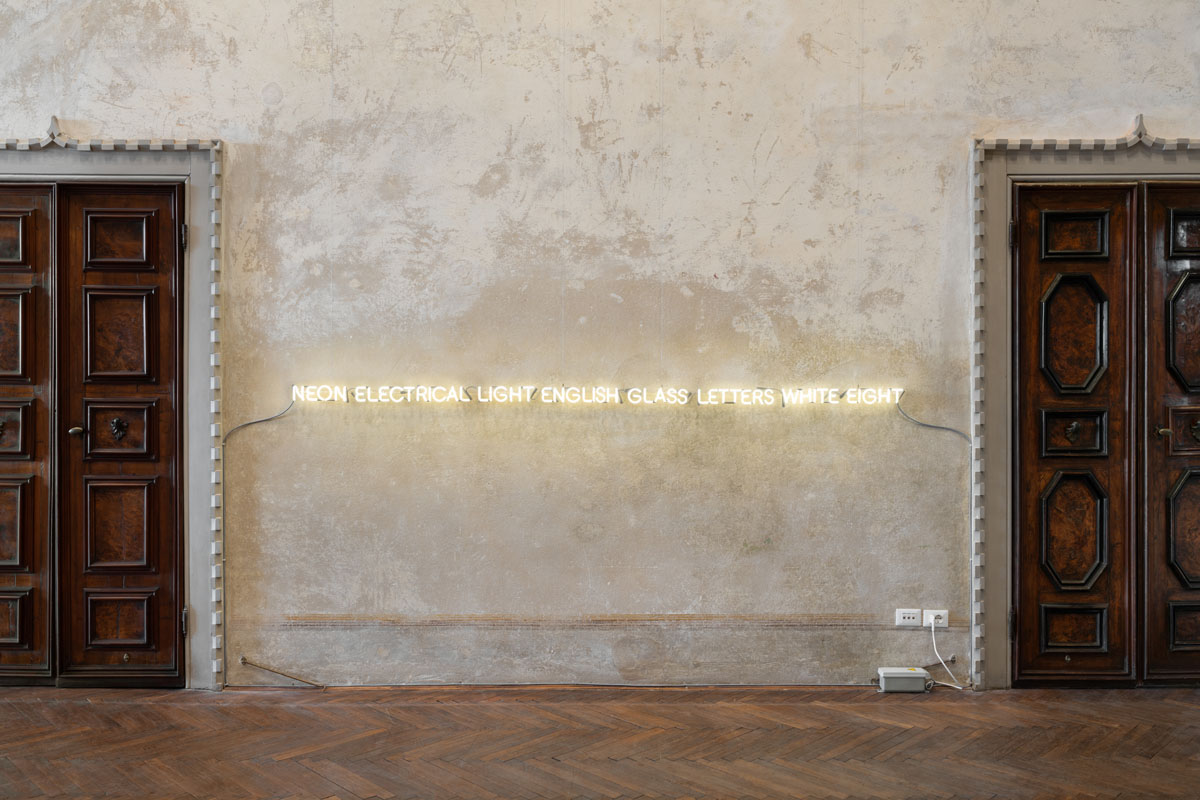
Joseph Kosuth (b. 1945) has consistently situated language as the content and subject of his practice. Known for his celebrated neon works, an important new large-scale commission, ‘A Chain of Resemblance’ (2026), will be installed in the gallery’s main entrance. The work, which is based on a text by Michel Foucault, examines how meaning is formed by both the text and the context in which it appears, revealing that language is never neutral but inherently shaped by its setting and reception.
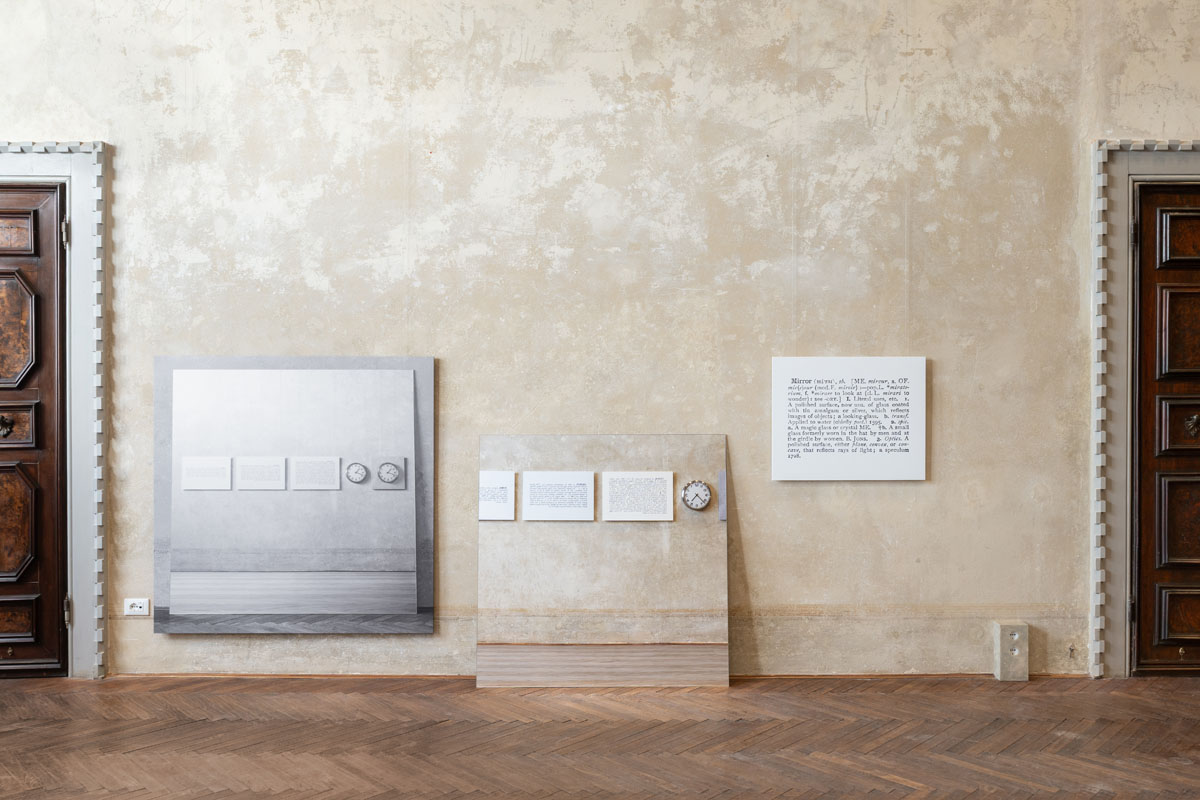
The main exhibition space on the first floor is devoted to Kosuth’s earliest works from the 1960s. It includes one of his most influential works, ‘One and Three Mirrors’ (1965), in which meaning is embodied in the relationship between the work’s three components – image, object and text – while the reflection of the viewer, now present in the work, catches a glimpse of the subject. The philosopher, Ludwig Wittgenstein’s contention that meaning is use is an abiding concern throughout Kosuth’s career as demonstrated by ‘One and Three Mirrors’ with the transformation of the mirror’s everyday use into a new representational use as a key part of the artwork, leading viewers to consider how language constructs an understanding of themselves.
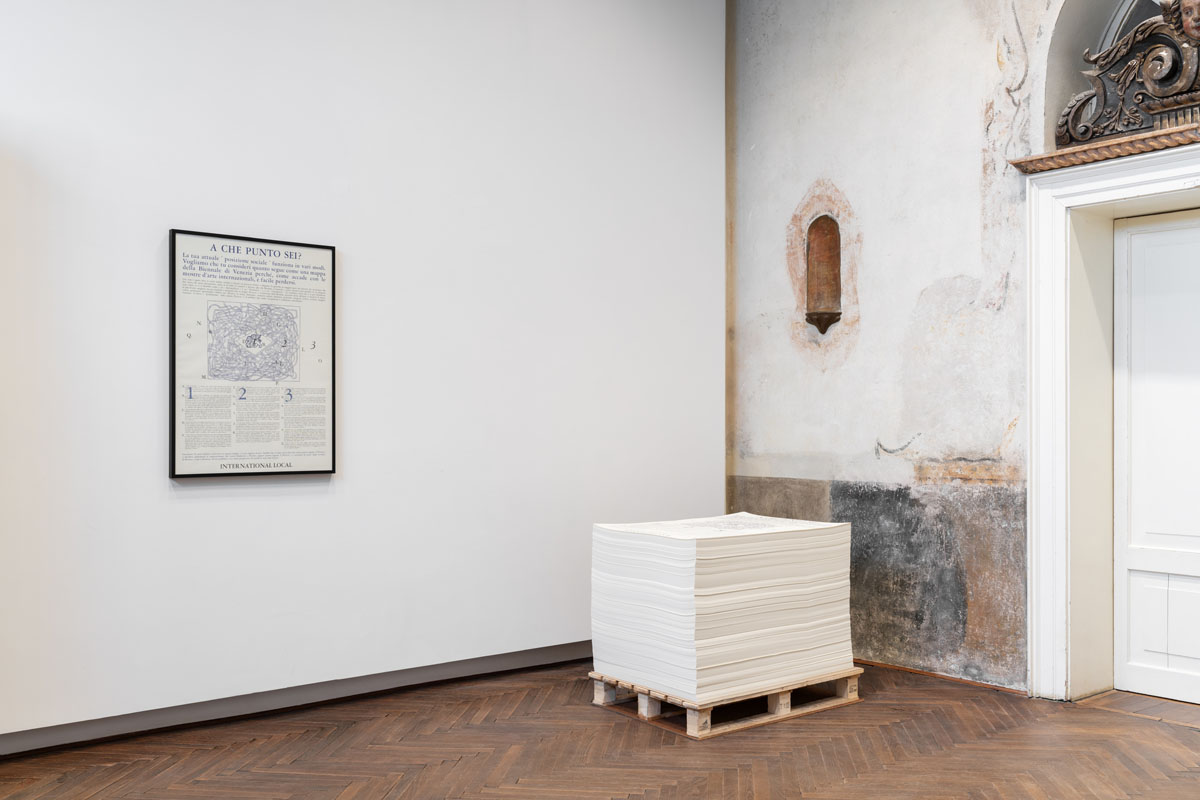
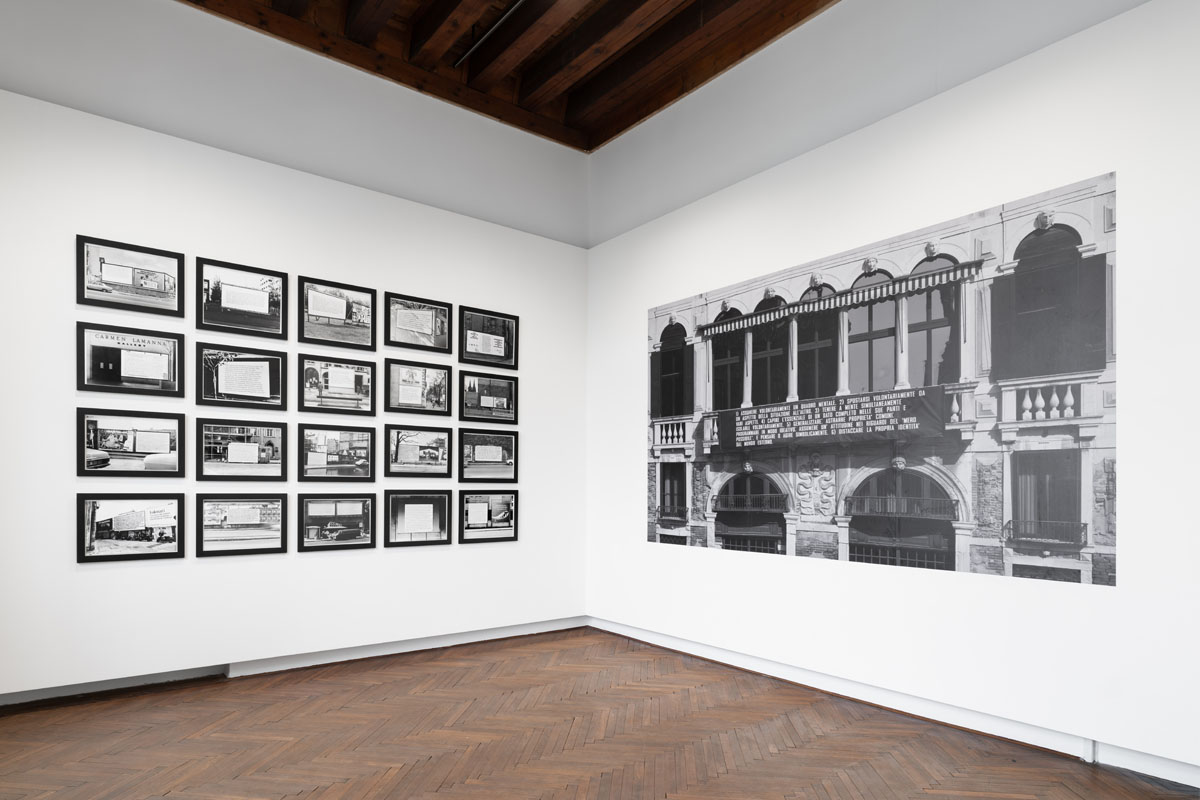
Three adjacent rooms feature works that challenge authorship through Kosuth’s radical positioning of audience, community and collaboration, including ‘The Fifth Investigation’ (1969), ‘Text/Context’ (1978-1979) and ‘Where Are you Standing? ’ (1976)–a poster originally produced by Kosuth for the 1976 Venice Biennale as part of International Local (Sarah Charlesworth, Joseph Kosuth and Anthony McCall) to be re-issued on this occasion. ‘The Seventh Investigation’ , a banner from 1970, will also be fabricated and installed in a public space in Venice.
Joseph Kosuth has had a long relationship with Venice. Having lived and worked in Venice from 2021 through 2025, his relationship to the city began decades earlier. He participated in eight Venice Biennales, which included representing the Hungarian Pavilion (1993) and receiving the Menzione d’Onore. Kosuth’s permanent neon installation ‘The Material of Ornamen t’ has been on view at the Querini Stampalia since 1997 and ‘To Invent Relations (For Carlo Scarpa) ’ was commissioned for the 2016 Architecture Biennale and installed in the renowned Mario Baratto lecture hall of Università Ca Foscari Venezia.