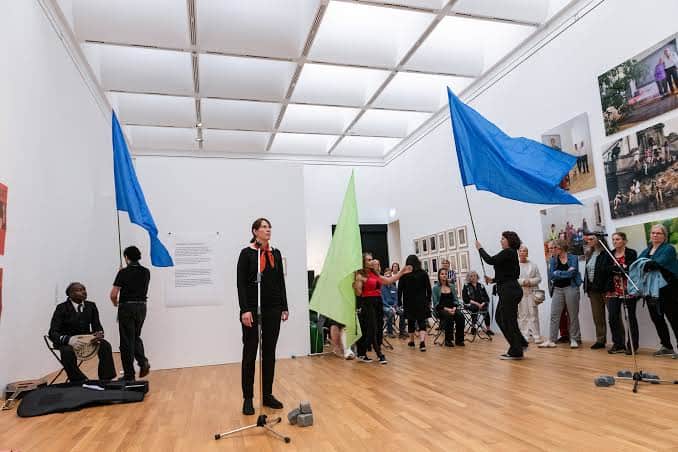
WILLIAM KENTRIDGE | Camere con vista. Aby Warburg, Firenze e il laboratorio delle immagini | Group show | Gallerie degli Uffizi, Florence | Opening 19 September 2023
Artista
William Kentridge
Data
19 settembre 2023
Location
Galleria degli Uffizi, Firenze, ItaliaPiazzale degli Uffizi, 6, 50122 Firenze FI
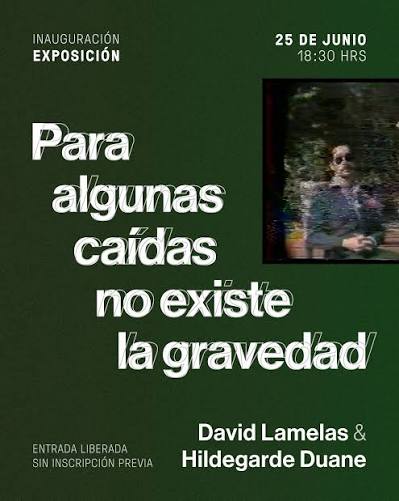
Among the key works featured in the exhibition at the Museo Nacional de Bellas Artes in Santiago, Señalamiento de tres espacios abiertos (Signalling of Three Open Spaces, 1968) stands out prominently. In this historic conceptual piece,Lamelas temporarily demarcates three areas of open space (such as a park or garden) using cardboard rectangles arranged in circles around natural elements. Through this simple visual gesture, the artist explores the ideas of space, gravity, and immaterial fall, demonstrating how an ephemeral intervention can alter our perception of the surrounding environment without physically changing it.
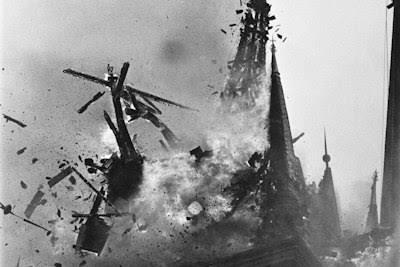
The group exhibition Ruin Echoes explores the concept of ruins, historical memory, and the passage of time through contemporary photography and visual media, reflecting on how fragments of the past continue to resonate in the present.Within this showcase, the work by German artist Thomas Ruff (drawn from his acclaimed series such as d.p.b. / desastres de la guerra or his re-examinations of historical architecture) addresses the representation of destruction and collective trauma. By appropriating and digitally manipulating archival imagery, Ruff dissects the photographic surface to question the boundaries between historical document, propaganda, and the visual perception of catastrophic events.
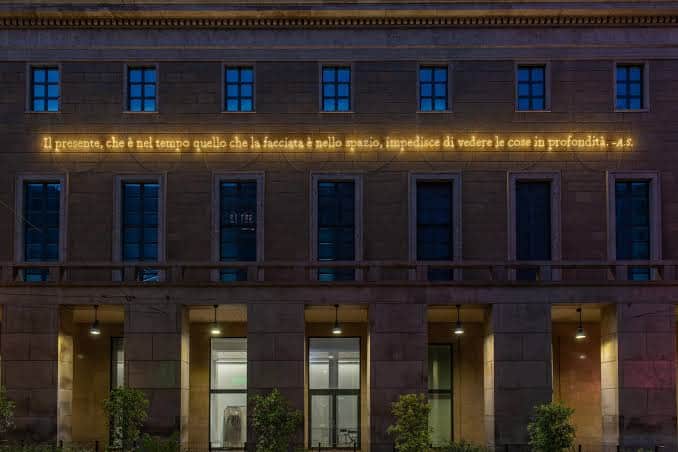
EnglishVedere le cose (Seeing Things) is a site-specific installation by American conceptual artist Joseph Kosuth,installed on the facade of the Museo del Novecento in Milan (Arengario Palace). The artwork features a neon light text quoting art critic and writer Alberto Savinio: "The present, which is to time what the facade is to space, prevents us from seeing things in depth." By connecting the physical architecture of the building with the perception of time and memory through light and language, Kosuth invites viewers to look beyond the immediate surface of the present.
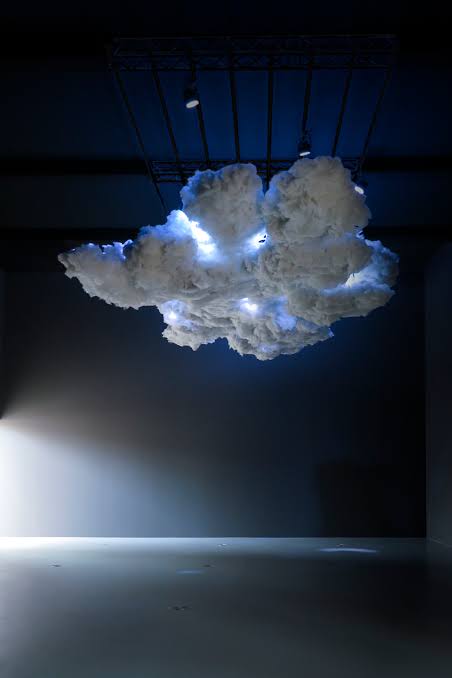
The exhibition The Story of Public Art in Denmark traces the evolution of art in public spaces, exploring how artworks shape collective memory, urban identity, and social interaction beyond traditional museum walls. Within this narrative,Alfredo Jaar's work — renowned globally for his site-specific public interventions, such as his landmark project The Cloud created for the US-Mexico border and featured in Nordic exhibition contexts — serves as a vital benchmark for understanding public art as a powerful catalyst for civic engagement, political critique, and shared historical memory.
The exhibition I Feel You, hosted at the Kunstmuseum Bonn, investigates empathy, compassion, and emotional connection through contemporary art, questioning how the capacity to share another's feelings can serve as both an aesthetic and a political act. Within this framework, Alfredo Jaar's work places the ethical engagement of the viewer at its core when confronting the pain and inequalities of today's world. Through his installation, Jaar transforms empathy from a mere emotional reaction into a moment of critical awareness, compelling the audience to face their individual responsibility towards social injustice and global human tragedy.
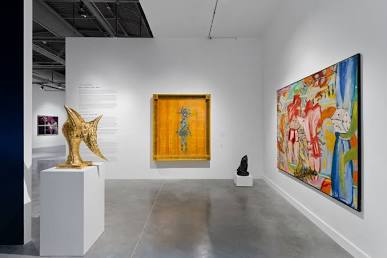
The exhibition Collection Focus: Anchors of Light, hosted at the Museum of Contemporary Art North Miami (MOCA),explores light as a material, metaphorical, and spiritual element through a curated selection of key works from its permanent collection. Within this showcase, Alfredo Jaar's work Fading (1991) plays a central role: a powerful lightbox installation that investigates themes of visibility, oblivion, and the ethical responsibility of images when confronting human tragedy. By using light not merely as a medium but as a tool for social critique, Jaar's piece transforms the gallery space into an area of critical contemplation, prompting visitors to reflect on how mass media represents and consumes the suffering of others.