THOMAS RUFF | Solo Show | Lia Rumma Gallery, Milan
Artista
Thomas Ruff
Data
15 novembre 2025 – 10 gennaio 2026
Location
Lia Rumma Gallery, MilanVia Stilicone 19
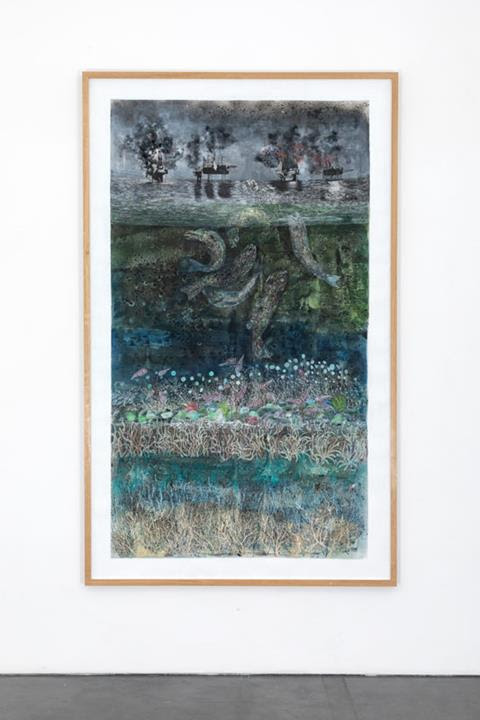
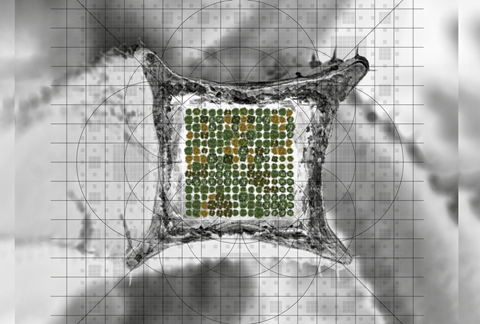
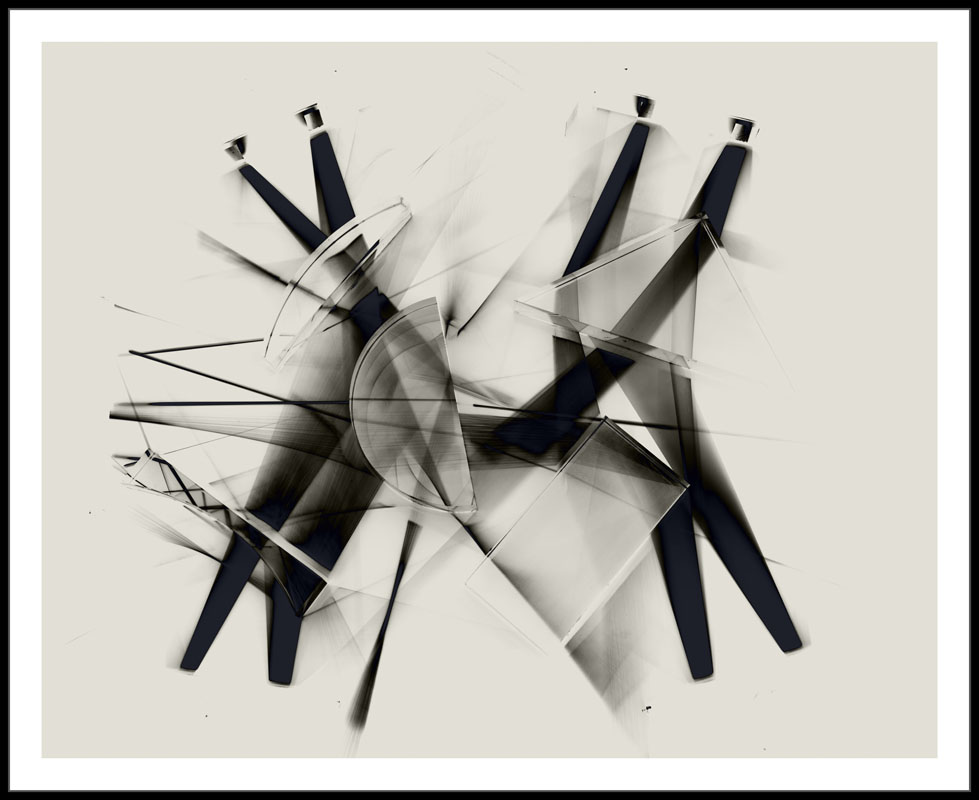
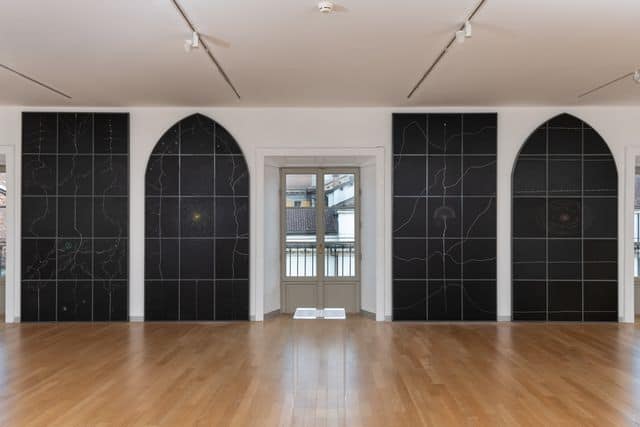
On November 15, 2025, the Lia Rumma Gallery in Milan will open Thomas Ruff’s sixth solo exhibition with the gallery, more than thirty years after their first collaboration in 1991. The show retraces twenty-five years of the German artist’s research, who for over forty years has explored the limits and structure of photographic language, helping to redefine the very nature of photography.
Developed across the gallery’s three floors, the exhibition brings together works from seven different series created using various techniques. It offers a comprehensive overview of Ruff’s ability to merge technical experimentation, scientific inquiry, and artistic sensitivity, confirming his position as one of the most radical figures in contemporary photography.
The Centre d’art de la photographie de Bergerac presents Tobias Zielony’s first solo exhibition in France, Les nuits électriques. The show examines contemporary youth and urban environments through photographs and a video depicting life in Naples’ large housing projects (Overshoot, Vele), LGBTQIA+ and techno communities in Kiev (Maskirovka), and the effects of the Ukraine war on Moldovan youth (Electricity/Afterimages). Zielony captures marginalized youth in often overlooked urban architectures that reveal social and political change. His night-time, color-rich images, created with long exposures, transform these anonymous figures into floating silhouettes amid concrete and industrial ruins, highlighting the history, social purpose, and aesthetic of these environments.
Centre d’art de la photographie espace Romain-Rolland
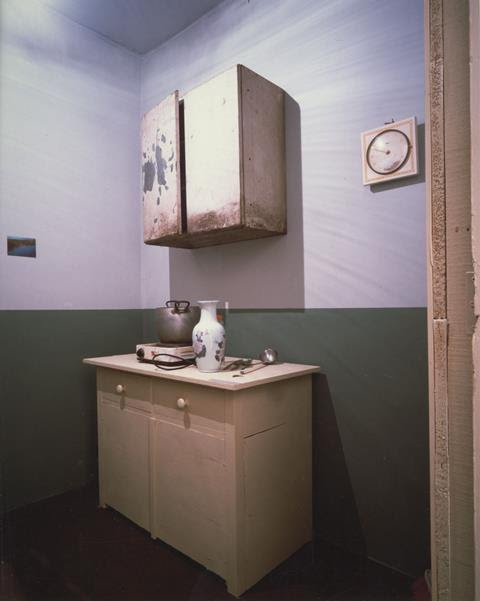
This theatrical performance, directed by Shirin Neshat, presents Orpheus and Eurydice as a story of human dualities and conflict: love and death, joy and grief, reality and illusion. Orpheus is not a mythological figure, but a man devastated by the loss of his wife Eurydice, falling into an existential crisis that forces him to confront his conscience, guilt, and human limits. His journey through the underworld becomes an inner exploration, encountering shadows of himself and memories of love, guided by the energy of Love as a force of reconciliation. Set in a contemporary context, the performance uses black-and-white imagery and silent film sequences to highlight contrasts between reality and imagination, offering an intimate view of the protagonists’ relationship. Eurydice emerges as Orpheus’s alter ego, an independent being embodying the potential for love and mutual understanding.
Saturnalia, curated by Olga Gambari and Susanna Ravelli, is a group exhibition reflecting on the deeper meaning of the Saturnalia festival, evoking themes of equality, fraternity, and community. The selected artworks reinterpret this ancient celebration as a symbolic landscape where individuals recognize themselves as part of an interdependent collective, prompting reflection on personal and shared responsibility in the world. The works act as suggestions and stimuli, offering memory, connection, and ethical practices. In this way, the exhibition explores the role of art as a tool for cohesion and renewal, beyond temporal and geographic boundaries, and as a vehicle for shared values and moral sustainability.
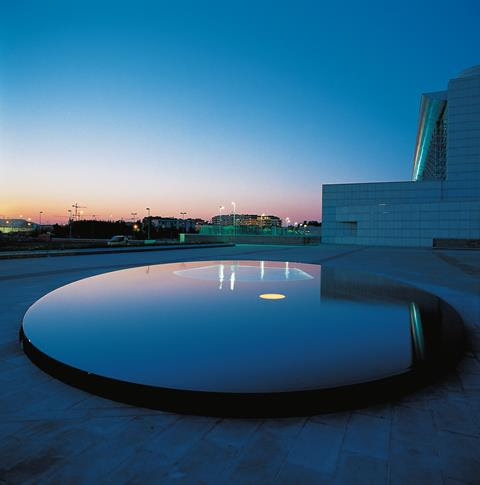
Fragility of the Eternal. From Pompeii to the Grand Tour and Beyond, at the National Museum of Art of Timișoara, explores the eruption of Mount Vesuvius in AD 79 as a defining trauma in the Western imagination. Through the imagined voice of the Roman soldier Lucio Valerio Sacer—a survivor of the eruption who later reached Dacia—the exhibition leads visitors from the apparent stability of Roman urban life to its sudden collapse. Over one hundred works from major Italian institutions—from the National Archaeological Museum of Naples to the National Gallery of Modern and Contemporary Art in Rome—bring together Pompeian frescoes, Grand Tour paintings and drawings, and iconic works by Lucio Fontana, Alberto Burri, and Anselm Kiefer. Curated by Massimo Osanna and Filip Petcu, this international exhibition inaugurates the Romania–Italy Cultural Year 2026, reflecting on how civilizations confront impermanence and preserve the memory of catastrophe.
The Albertina Museum is home one of the world’s most extensive collections of drawings, prints, and works on paper. Drawing from this remarkable treasury, the exhibition celebrates the diversity and fascination of paper as a medium in all its forms. Spanning from the 15th century to the present, the show presents works from the Graphic Art Collection, the Architectural Collection, and the Collection of Contemporary Art. From copperplate engravings used for playing cards to monumental three-dimensional objects and rarely displayed pieces, the exhibition reveals the full scope of this unique collection. Thought-provoking juxtapositions highlight the versatility and expressive potential of paper across centuries.
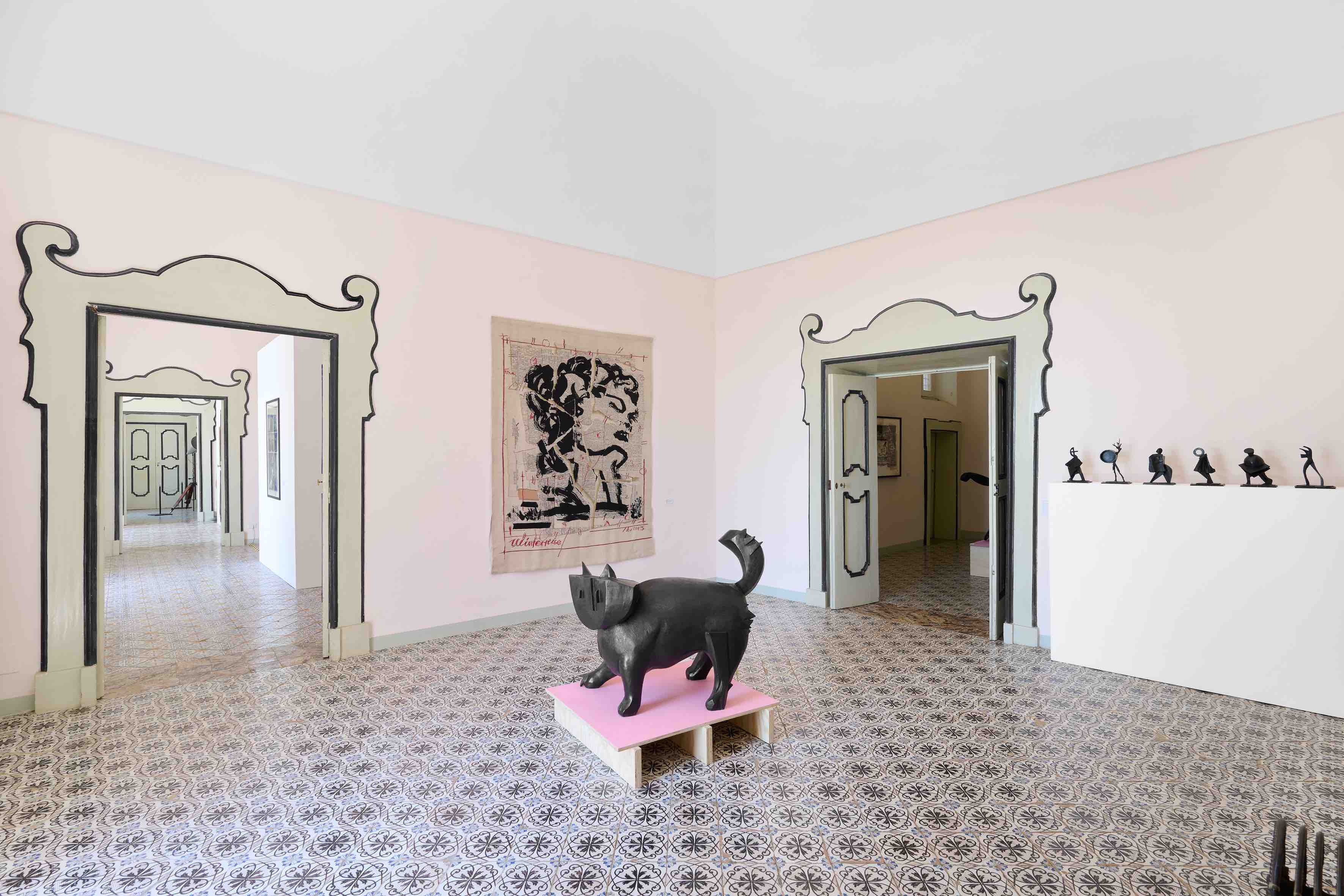
At Palazzo Citterio – Grande Brera, the Metafisica/Metafisiche project features an original homage by William Kentridge to Giorgio Morandi. The installation explores the formal and conceptual legacy of the Bolognese master, emphasizing time, memory, and rhythm as visual material. Through sequences of images and poetic gestures, Kentridge engages with Morandi’s Metaphysical sensibility, translating it into a contemporary language and creating a dialogue between past and present. The work transforms Palazzo Citterio into a space for reflection on the continuity between artistic tradition and modern interpretations of Metaphysics, inviting visitors to experience art as immersive and contemplative.