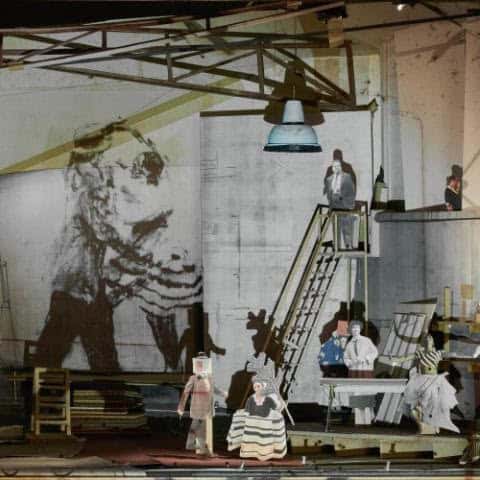
Presented at BOZAR in Brussels on November 28, 2026, William Kentridge’s performance "A Defence of the Less Good Idea" celebrates intuition, imperfection, and collaborative experimentation. Blending live music, projected charcoal drawings, and theatrical movement, the piece turns side paths and happy accidents into the true engine of artistic discovery.
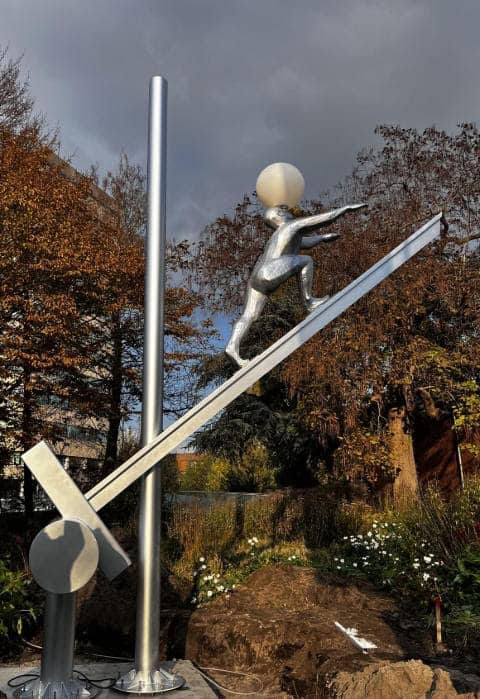
Permanently installed at the Van Abbemuseum in Eindhoven, Ilya and Emilia Kabakov’s "The Acrobat"and "The Five Steps of Life" transform the museum architecture into a poetic meditation on human aspiration and the stages of existence. Through suspended spatial arrangements and symbolic narrative thresholds, the site-specific installations invite visitors to reflect on the fragile balance between earthly limits and the desire for transcendence.
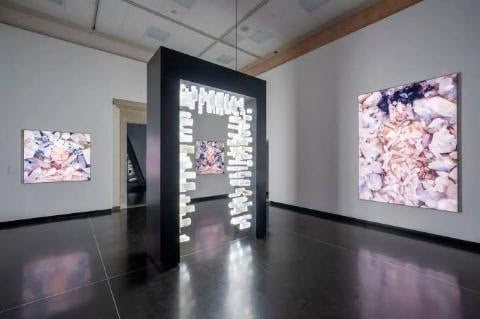
Hosted at the Galleria Nazionale d'Arte Moderna e Contemporanea (GNAMC) in Rome and curated by Shai Baitel and Andrea Tarsia, the solo exhibition "Historical Works and Transforming Energy" traces the evolution of a practice centered on the dynamic tension between memory, matter, and metamorphosis.Through a curated dialogue between seminal historical pieces and works driven by kinetic or conceptual transformation, the show examines how past forms continue to generate new vitality within the museum space.Visitors are invited to experience an immersive trajectory where history is not static, but an active, evolving force.
Galleria Nazionale d'Arte Moderna e Contemporanea (GNAMC)
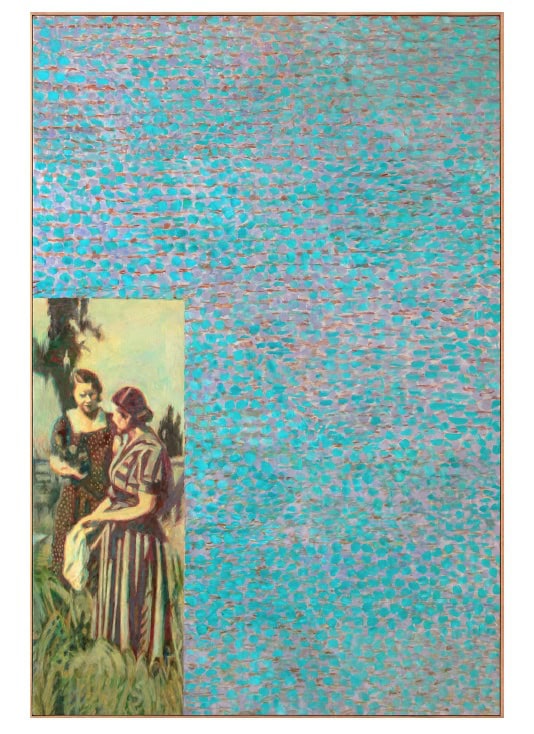
At the Lia Rumma Gallery in Naples (Via Vannella Gaetani 12), Ilya and Emilia Kabakov explore the act of "looking into the past" not as mere nostalgia, but as a critical, immersive journey through collective memory and personal history.Rooted in a collaboration spanning over twenty-five years with the gallery and the city of Naples, the exhibition transforms the space into a contemplative environment suspended in time. Through reconstructed settings, paintings, and layered narrative fragments typical of their signature "total installation," visitors cross a threshold between lived reality and what endures in memory.
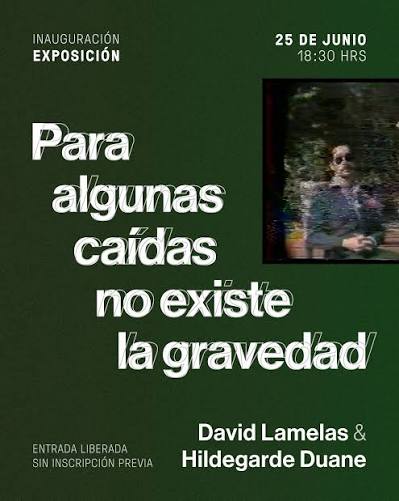
Among the key works featured in the exhibition at the Museo Nacional de Bellas Artes in Santiago, Señalamiento de tres espacios abiertos (Signalling of Three Open Spaces, 1968) stands out prominently. In this historic conceptual piece,Lamelas temporarily demarcates three areas of open space (such as a park or garden) using cardboard rectangles arranged in circles around natural elements. Through this simple visual gesture, the artist explores the ideas of space, gravity, and immaterial fall, demonstrating how an ephemeral intervention can alter our perception of the surrounding environment without physically changing it.
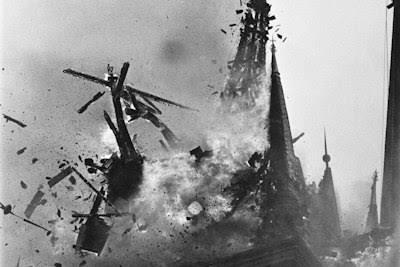
The group exhibition Ruin Echoes explores the concept of ruins, historical memory, and the passage of time through contemporary photography and visual media, reflecting on how fragments of the past continue to resonate in the present.Within this showcase, the work by German artist Thomas Ruff (drawn from his acclaimed series such as d.p.b. / desastres de la guerra or his re-examinations of historical architecture) addresses the representation of destruction and collective trauma. By appropriating and digitally manipulating archival imagery, Ruff dissects the photographic surface to question the boundaries between historical document, propaganda, and the visual perception of catastrophic events.